A Cumbrian project that placed more than 400 volunteers in arts, heritage and culture roles is being celebrated during Volunteers’ Week.
Helping Hands, which ended in April this year, was a two-year initiative led by Cumbria Museum Consortium funded by a £490,000 grant from Arts Council England.
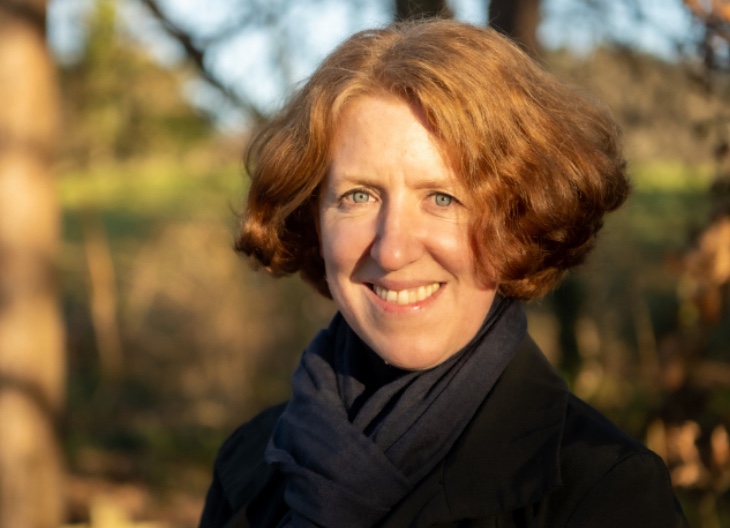
Kate Parry MBE, Head of Partnership at Cumbria Museum Consortium, said: “Through collaboration across the county, we’ve seen significant improvements in volunteer management skills and a legacy of enhanced equity and quality in volunteering opportunities.
“Helping Hands catalysed honest – and powerful – conversations about what it takes to create inclusive volunteer opportunities”.
It placed 434 volunteers with more than 30 arts, heritage and culture organisations from theatres to museums, art galleries and stately homes.
A third had never volunteered before, more than half came from deprived areas, nearly half were unemployed and one-in-six were students, defying the stereotypical profile of volunteers as mostly retired people.
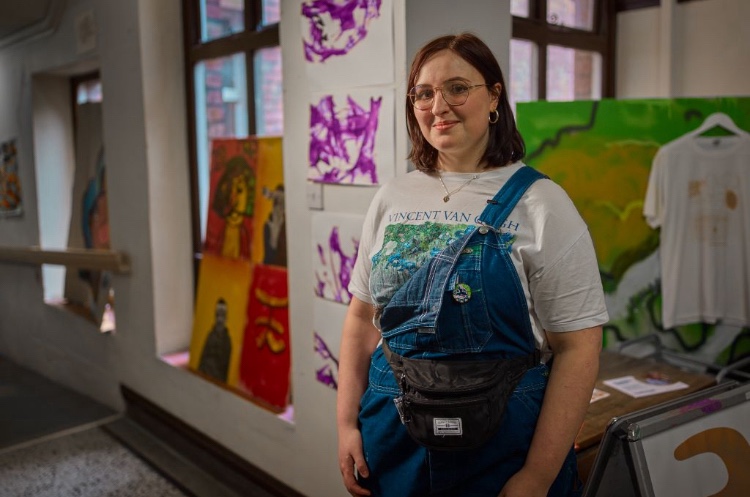
Those taking part reported social benefits such as making friends and getting out more.
They said volunteering boosted their confidence, made them feel included and welcomed, improved their mental health and reduced anxiety, and helped them develop new skills and knowledge.
Kate Parry MBE is highlighting the success of the Helping Hands project to mark Volunteers’ Week, a national initiative that celebrates the achievement of volunteers and encourages more people to make a difference by becoming a volunteer.
She added: “It’s clear that recognising individual volunteer needs and investing in dedicated volunteer coordination pays dividends, enhancing both volunteer satisfaction and the effectiveness of organisations.
“Volunteers experience a wide range of benefits, from social connections and increased confidence to improved mental health and a deeper engagement with arts and culture. This is precisely what volunteering should be—a win-win for everyone involved.”
The cultural and heritage organisations taking part included the Armitt Museum, Brewery Arts Centre, English Heritage, Cumbria Opera Group, Wordsworth Grasmere, Lakeland Arts,Prism Arts, National Trust, the Quaker Tapestry Museum and Tullie.
They too reported multiple benefits saying that taking part led to a change in attitude to volunteering, increased capacity, greater understanding of diversity and accessibility, and improvements to volunteer management systems.
Helping Hands worked with partners such as Anti Racist Cumbria, Multicultural Cumbria, Cumbria Deaf Association and Triple A (All About Autism) Project to provide training and support for individuals.
This meant that, overall, the project engaged 825 people, making substantial strides in improving community well-being, enhancing workforce diversity, addressing loneliness and isolation and dismantling barriers to volunteering.
Although the Helping Hands project has finished, people looking to find out about the project or to volunteer in the future can find further information and resources on the Cumbria Museum Consortium website: https://cumbriamuseums.org.uk/helping-hands

