Westmorland and Furness Council are urging residents to speak up for hidden or overlooked heritage gems to ensure their value is recognised and they are protected for future generations.
Heritage assets of local importance are known as ‘non-designated heritage assets’, which can be anything from a piece of street furniture to a house designed by a local architect or lived in by someone noteworthy; an old pub or barn; a park or garden; a statue or carving; or a site with importance for agriculture, commerce or industry.
Westmorland and Furness Council has a list of non-designated assets already nominated by members of the public and wants to expand this list by inviting more nominations.
Local Listing is different to the National Heritage List for England that includes Scheduled Monuments and Listed Buildings.
Being included on the Local List does not provide any extra planning controls to the assets but makes the heritage asset a non-material planning consideration.
They enable the significance of any building or site on the list to be better taken into account in planning applications affecting the building or site or its setting.
Councillor Vicky Hughes, Cabinet member for Planning and Active Well Being, said: “Our communities are abundantly rich in heritage, ancient to modern and much of it hidden in plain sight and overlooked.
“We can use our Local List to ensure the significance of these assets is considered in planning decisions, but the local knowledge of residents is key to helping is identify potential assets to add.
“I urge anybody who knows of an asset they think should be on the list to nominate it through the form on our website.”
Some examples from the present Local Heritage List include:
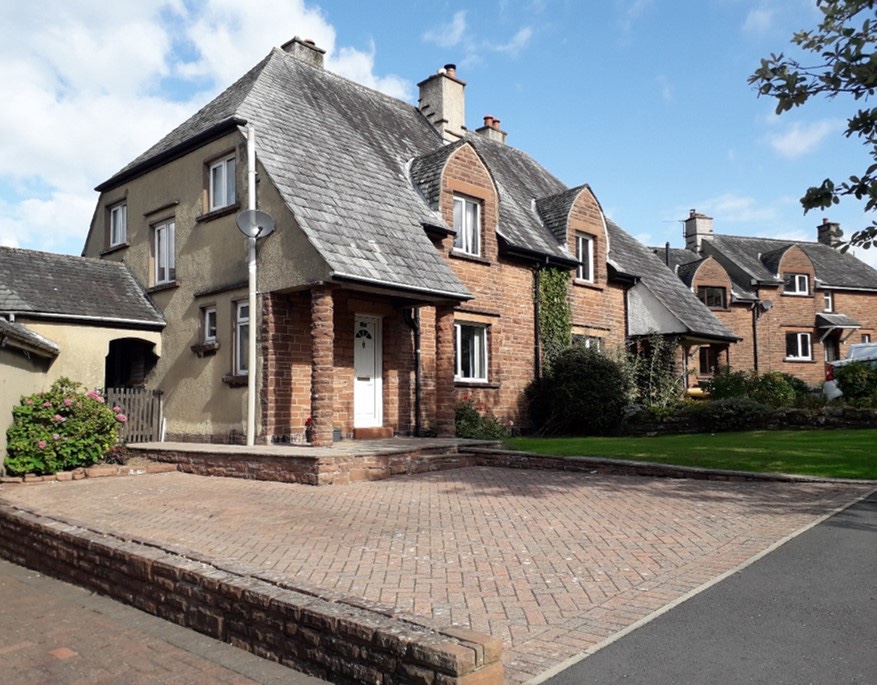
The Scaws estate in Penrith, which was a planned new estate constructed between 1940 and 1949 under the Addison Housing Act of 1919 and billed as Penrith’s Garden Suburb.
The architect was Frank Edward Belcombe Blanc and the builder was a local man named Robert Ellwood Reay.
It is a rare survival of its type and remains largely unchanged from when it was built.
Mid 19th century terraced houses in Hoad Terrace, Ulverston
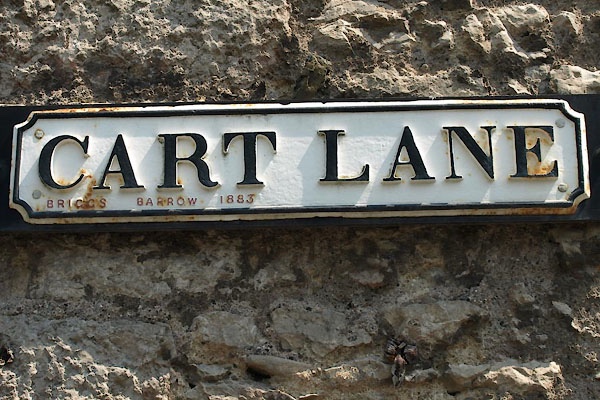
Cart Lane road sign dated 1883 in Grange. Cart Lane was an important route linked to crossing Morecambe Bay prior to the development of the railway.
Sign above entrance to former Williamson Yard located off Middlegate in Penrith.
The alleyway has long been infilled but the yard sign remains.
The lintel to the door also includes an interesting inscription which is believed to relate to a former shearing trade.
It has now been painted over and is barely visible.
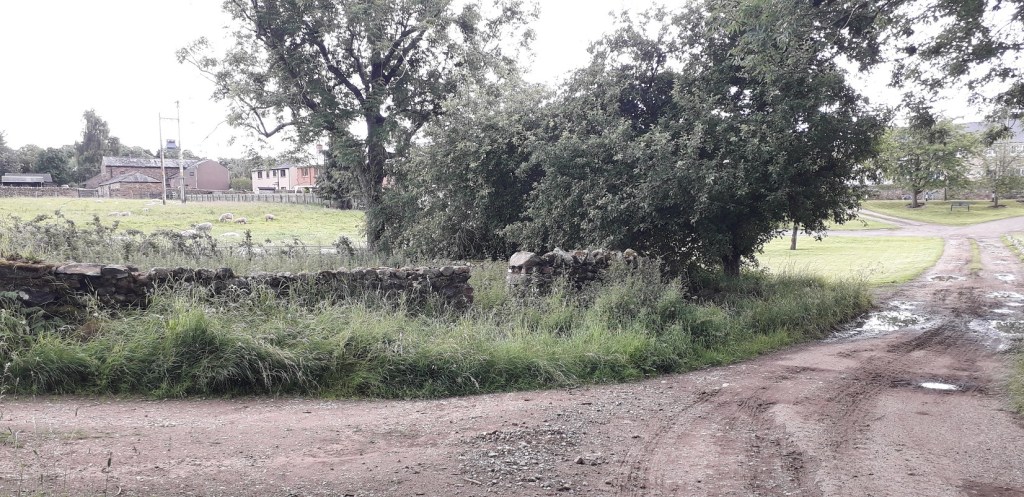
A concrete sheep dip dated 1929 and a stone sheepfold on Crackenthorpe village green.
The council may consider a wide range of buildings, structures and sites suitable for the list, including:
- Agriculture – farms, barns, gate posts and boundary walls;
- Commercial – pubs, shops and offices;
- Cultural – arts installations, graffiti and statues;
- Recreational – village halls, community centres, cinemas, sports grounds and social clubs;
- Domestic – town houses, bespoke development and designed estates;
- Education – schools and colleges;
- Health – hospitals and almshouses;
- Industrial – factories, warehouses and workshops;
- Military – civil defence, military camps, war memorials, air raid shelters and pill boxes;
- Religious – churches, chapels, meeting houses, memorials, crosses and tombs;
- Transport – railway stations, signal boxes and railway bridges;
- Ancient orchards.
Our online survey enables the public to pinpoint places they would like to see safeguarded by being placed on the Westmorland and Furness Local Heritage List.
You can find the survey form and further information including the current Local Heritage List for Westmorland and Furness at here

