The World Marmalade Awards has said the need to define marmalade shows the ‘popularisation’ of preserve while a Double Gold Winner sees a ‘nail in the coffin’.
The announcement from the UK Government of a potential EU/UK food deal, means marmalade may soon have to be sold as citrus marmalade, and it has divided the marmalade community.

Founder of The Dalemain World Marmalade Awards Jane Hasell-Mccosh has welcomed the need for a definition of marmalade saying: “The fact that marmalade needs to be defined further, shows a popularisation of marmalade.
“When the World Marmalade Awards began in 2005 there were only 60 entries, almost all were a classic Seville Orange marmalade.
“Two decades later the variety of marmalade within the 3400 entries into the 2026 competition is extensive.
“Hundreds of citrus fruits are used in the entries such as: Cedri, Sanbokan, Sudachi, Jabara, Mikan, Bergamot, Amanatsu and Tankan.
“So further clarification is useful for people wanting to enter the Marmalade Awards.”
The competition gets entries from around the world where marmalade can be understood completely differently to our jars in the UK.
American marmalades are always a looser set, European marmalades are often closer to compotes so it will certainly make it easier for people who would like to enter the competition, to understand what The Marmalade Awards are looking for in this British standard competition.
Pam ‘the Jam’ Corbin, preserver, author and Patron of the Marmalade Awards sees it as something that should have been done years ago.
“The irony is that it has been done after Brexit when it should probably should have been done before.” said Pam.
“In truth it is helpful to clarify what British marmalades are and it’s a blessing you don’t have to call it jam.
“Marmalades made from citrus fruit always bring joy to the table”
There are however some that see the additional red tape that it will bring as a problem in an already difficult time, as small Artisan businesses could be the hardest hit, just when they do not need it.
The Artisan makers who enter the World Marmalade Awards are small businesses who still use the open pan method to make marmalade to sell commercially.
Artisans will possibly have to make frustrating and costly label changes or perhaps adjust recipes to comply with new rules.
However these same rules could also open up new sales platforms and expand the reach of English style marmalade for businesses who are exporting to Europe or want to expand.
For those small businesses that don’t sell in Europe, it could be damaging.
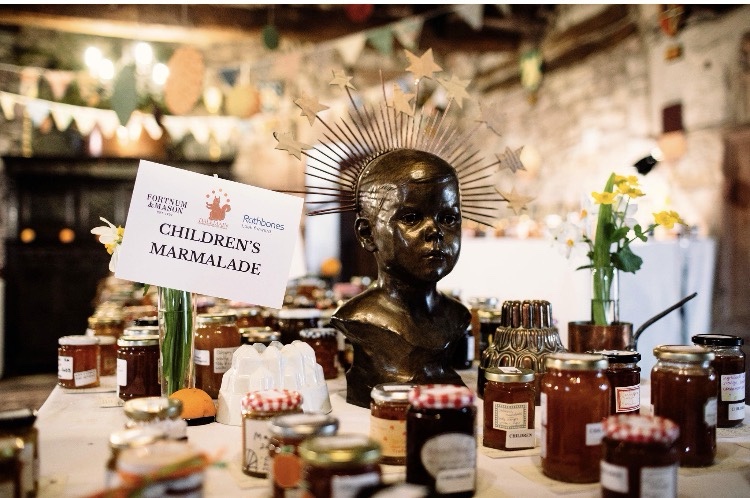
Alex McWilliam Brice, owner of The Proper Marmalade Company in Devon, Double Gold Artisan Award Winner 2024 is one of the businesses that could be affected saying: “It’s another nail in the coffin for small businesses now and just seems very pointless and unnecessary.
“Small Businesses like mine don’t export to Europe so it just seems like something else to deal with.
“All labelling will have to be replaced if it goes through.
“Everything is just getting increasingly expensive.”
The history of marmalade is very European with the origins of the word marmalade being derived from the late 15th century Portuguese word ‘marmelo’ which was a quince paste which didn’t include citrus fruit at all.
It was only later at the end of the 1700’s when Keillers first started selling marmalade commercially and was popularised that it became the preserve that we recognise today as Marmalade using Seville Oranges.
After Keillers in 1790, producers sprang up and famous names like Duerrs, Robinsons, Hartleys and Frank Cooper still sell marmalade more than 200 years later.
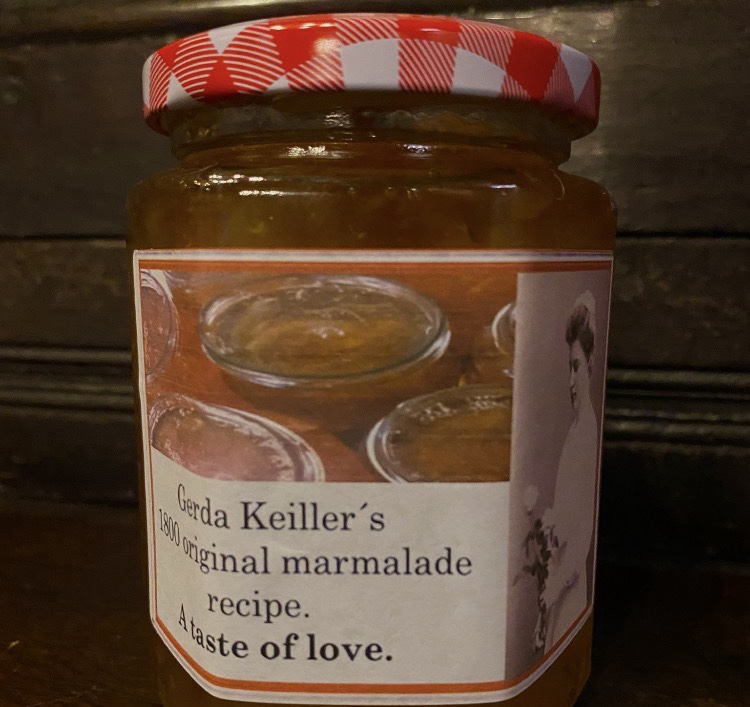
One of the jars received in this years competition was a descendant of Keillers who lives in Stockholm, who used the original recipe to make their entry.
Ultimately the re-naming shows the relevance of marmalade and its rising in popularity, thanks of course to Paddington Bear, Patron of the Marmalade Awards.
The World Marmalade Awards did conclude that if this is true, then it is important to protect small Artisan businesses.
They said: “Because those who really love this orange spread won’t be buying it from a supermarket.
“If people make it themselves then it is sacred, so much so that over 500 people collect their jars entered into the competition after the festival, so precious is every jar of their own marmalade.”
If they don’t make it, the next best thing is to buy from exceptional Artisan makers or Fortnum and Mason, who sell the Homemade Double Gold Winner in aid of Hospice at Home every year.
100 percent of the Homemade Competition entry fee goes to Hospice at Home Carlisle and North Cumbria and the competition has raised more than £350,000 for the charity since 2005.
Last years winner was Hitomi Wakamura’s Yuzu and Pear Marmalade from Japan.
The Marmalade Awards will continue to judge the competition in the same way and makers will continue to make Marmalade as they did with grandparents or great grandparents recipes that have been passed on to them.
The full list of all Artisan Marmalade Award winners in the 2026 competition is available to view on the Marmalade Awards website.
The Marmalade Festival is on Saturday, April 25, at Dalemain Mansion in Cumbria and there will be a chance to taste some incredible entries with rare citrus from around the world and the Homemade winner will be announced.
Entry to the competition opens on January 1, every year and closes on the first Monday in February.
 THE HERDWICK NEWS