A Cumbrian blacksmith says ‘it’s not about replacing what I do by hand’ as they forge a digital future with Made Smarter support.
The Penrith metalwork business is among the heritage craft manufacturers embracing technology to protect traditional skills and grow into the future.
Heritage craft manufacturers across Cumbria are embracing digital technology to protect traditional skills and scale their businesses, with support from Made Smarter North West.
From blacksmiths and architectural ceramics specialists to luxury clothing makers and glass studios, businesses rooted in craft are adopting tools such as digital design, 3D scanning and automated manufacturing through the government-backed technology and skills adoption programme.
For many heritage manufacturers, the challenge lies in balancing centuries-old techniques with the demands of modern production, including larger projects, tighter deadlines and rising material costs.
Digital tools are helping businesses improve efficiency, reduce waste and take on more complex work while keeping skilled craftsmanship at the heart of their operations.
One example is Grace Forge Sculptures, a blacksmithing and metalwork business based in Penrith, which produces bespoke gates, railings, architectural metalwork and large-scale public sculptures using traditional forging techniques.
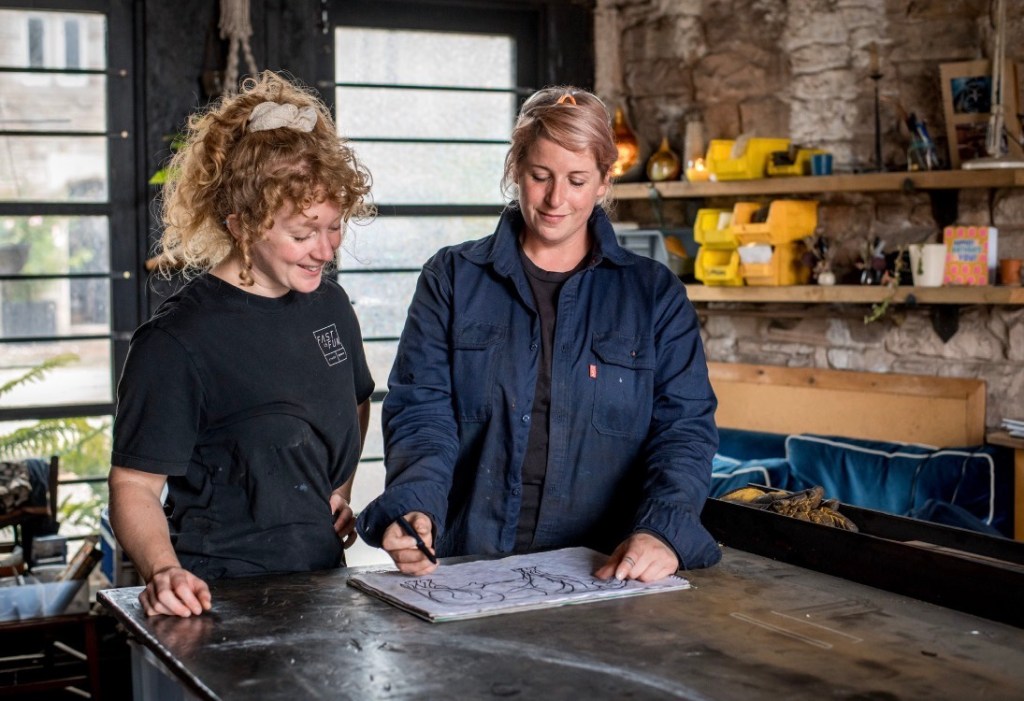
As projects became larger and more complex, owner Ellie Barden found that paper-based designs and manual measurements began to slow approvals, increase material waste and reduce capacity.
With support from Made Smarter, Grace Forge has invested in CAD software, 3D scanning, rapid prototyping and large-format plotting to strengthen the design and planning stages of projects before fabrication begins.
“The technology allows the business to create accurate digital designs, produce scale prototypes and generate full-size templates in-house, improving workshop precision and client confidence.
Ellie Barden said: “Working with Made Smarter has been a really positive experience for us.
“When you’re still mid-journey as a small business, having that kind of structured support and encouragement makes a real difference.
“It’s not about replacing what I do by hand, it’s about making better decisions before I start making.”
The investment is forecast to reduce material waste by up to 50 percent and cut rework by up to 20 percent, while helping the company compete for larger architectural and public sector commissions.
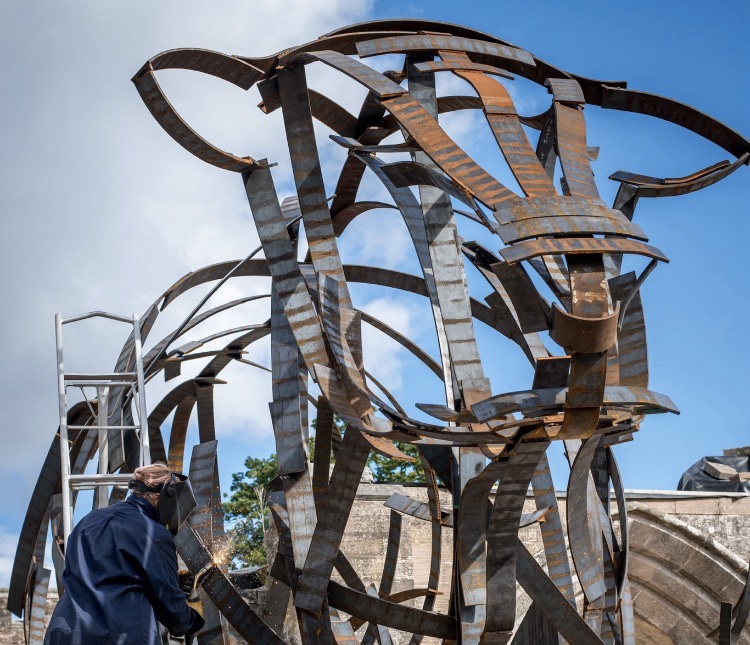
Across the region, other heritage manufacturers are following a similar path.
Donna Edwards, Programme Director of Made Smarter North West, said: “Heritage craft manufacturers are a vital part of the UK’s industrial story.
“Many of these businesses are built on generations of skill, creativity and specialist knowledge, producing high-value products where craftsmanship remains central to the process.
“What Made Smarter is showing is that digital technology can strengthen those traditions rather than replace them.
“It is about protecting those skills for the future and helping businesses grow, compete and pass their knowledge on to the next generation.”
Since its inception in 2019, Made Smarter has supported more than 2,500 manufacturers in the North West, providing access to expert digital advice, technology adoption roadmaps and workforce development opportunities.
 THE HERDWICK NEWS