Pet owners in Cumbria are being urged to stay vigilant ahead of Tick Bite Prevention Week, which highlights the growing risk posed by ticks.
The parasites are most commonly found in long grass, bracken and ferns, with dogs particularly susceptible due to the time they spend outdoors.
Graeme Hutchison, a veterinary surgeon at Paragon Vets in Carlisle, said ticks are now an annual concern, particularly in areas like Cumbria where access to open countryside increases exposure.
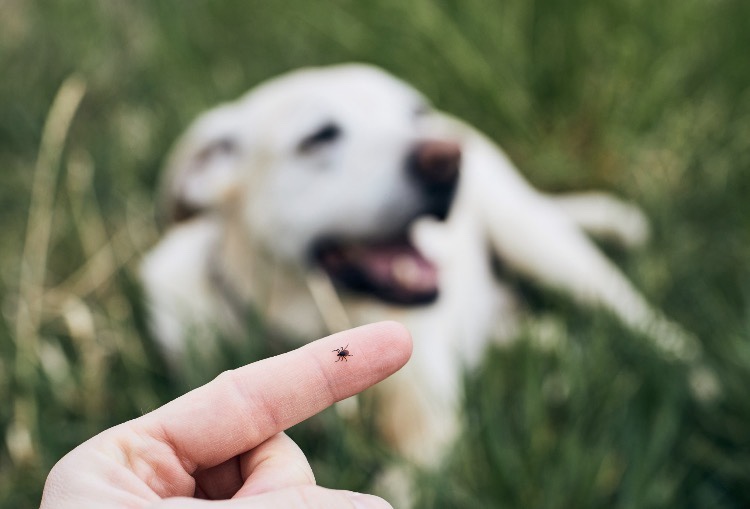
“It used to be relatively seasonal, but we actually see ticks all year round now,” he said, “and we are at greater risk here because we have quite a lot of common ground.
“Ticks are very small before they attach, often no bigger than a pinhead.
“Once attached and feeding, they swell and become easier to spot. Owners may notice redness, irritation, or their pet scratching.
“It’s important to check pets after walks, especially in high-risk areas. If you can spot a tick before it attaches, that’s ideal, though often they are only noticed once they have fed.”
Although tick bites themselves are rarely serious, they can carry infections such as Lyme disease.
“The tick bite itself is rarely going to be a long-term problem. But it’s the risk that they will transmit a disease,” said Graeme.
Symptoms in dogs can take weeks or even months to appear and may include lethargy, fever and lameness.
However, he reassured owners that, unlike in humans, Lyme disease in dogs is usually treatable.
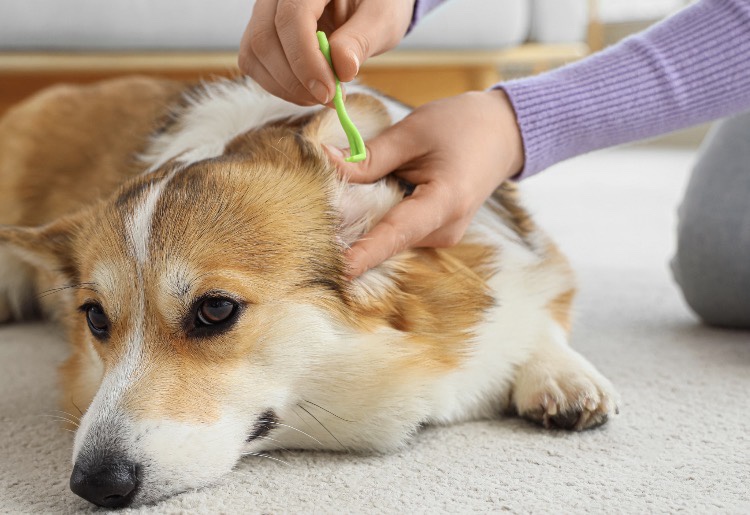
Prevention and early detection remain key. Owners are advised to check pets after walks, particularly if they have been in high-risk areas.
If one is found, removal should be done carefully using a proper tick removal tool.
Graeme advises against using domestic remedies such as Vaseline to try to remove them, as they risk leaving part of the tick behind. Instead, seek professional help from a vet.
Regular parasite treatments, available as tablets or spot-on applications, are recommended to reduce risk, as are tick collars for dogs.
“If you are walking in woodlands or long grass, then do take extra care.
“Then it’s a case of keeping an eye on your dog and keeping up to date with your tick treatment,” Graeme added.
 THE HERDWICK NEWS