The University of Cumbria is to lead a new national research study to reduce restrictive practices in eating disorder care for children and young people.
A £1.1 million research project has been launched to better understand and reduce the use of restrictive practices in the care of children and young people with eating disorders across NHS settings in England.
The project, funded by the National Institute for Health and Care Research (NIHR) will be led by University of Cumbria.

The study brings together researchers, clinicians, young people, parents, and carers to examine how restrictive practices are used, how they are experienced, and what can be done to make care safer, more compassionate and less distressing.
Restrictive practices include actions such as restraint, feeding via nasogastric (NG) tubes, locked doors, and limits on personal freedom, all of which can be traumatic for patients, families, and staff.
Despite rising admissions of young people with eating disorders, there is limited research into the emotional and practical impact of these interventions, or how their use might be reduced.
Young people with lived experience of eating disorders, their families and frontline clinicians have played a leading role in shaping the study.
One of the project’s co-applicants with lived experience is Adele.
She said: “This research is so important as there are so many restrictive practises alongside physical restraint that are not discussed enough, despite having a high emotional impact on individuals and their loved ones.
“I am proud to be part of this project and share some insight into what measures are being taken for those in inpatient settings hearing the perspective from those that have experienced it.”
Co‑applicant Joe Haward reflects on his experience as a carer.
He said: “One moment has stayed with me as a father of a daughter with anorexia nervosa and shows why this project matters so deeply.
“At 17, my daughter was sectioned and placed on a paediatric ward. I walked in to find two male security guards restraining her while a nurse inserted an NG tube.
“Her distress was overwhelming, and that scene typified the treatment she received.
“The complexities of eating disorder care are clear, but so too is the need to remember the human beings at the centre of it.
“We must do better. I believe we can find more compassionate approaches that will transform the lives of patients, families and the professionals who care for them.”
To ensure these perspectives continue to guide the work, two dedicated advisory groups – one for carers and parents and one for the young people – will work alongside the research team throughout the project.
Wellbeing support will be provided by leading national eating disorder charity BEAT.
Young people involved in the study will receive training and support to contribute to drive the project, data analysis, writing, and presenting findings.
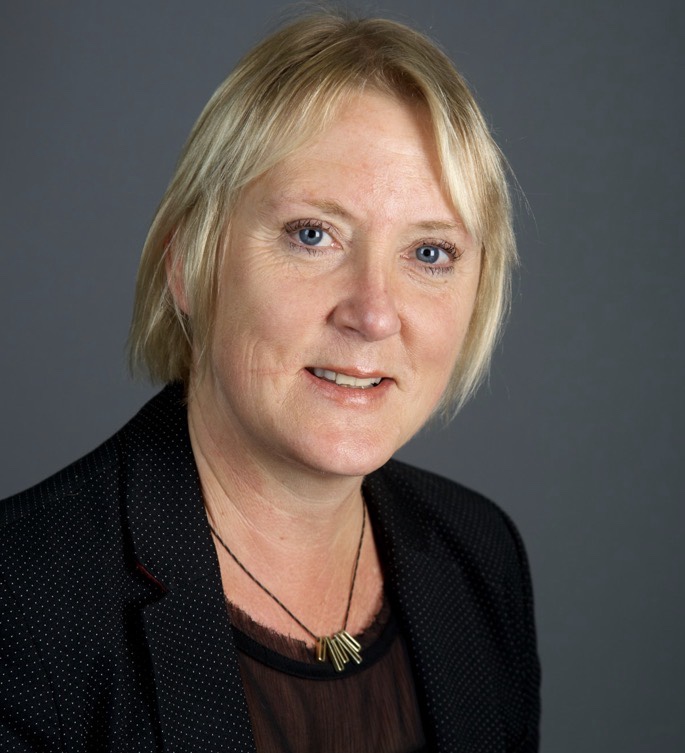
Joy Duxbury, Professor of Mental Health Nursing, University of Cumbria’s Institute of Health is leading the project.
She said: “Eating disorders remain among the mental health conditions with the highest mortality rates.
“As numbers of young people needing hospital care continue to rise, understanding personal journeys and pathways to care including how restrictive practices are used, and how they can be minimised safely, is vital.
“This project seeks to deliver co-produced evidence that reflects the reality and challenges of clinical environments, giving services the tools and insights they need to enhance care, protect wellbeing and foster trust.
“We are committed to ensuring national impact by sharing our findings in meaningful and accessible ways through real‑life stories and co‑created resources with young people and families, to clear policy recommendations, national events and outputs that showcase and celebrate what we have learned together.”

Umairah Malik, Research, Advocacy and Engagement Manager at Beat, the UK’s eating disorder charity said: “We know that undergoing eating disorder treatment can be a very overwhelming experience, and that evidence-based, compassionate care can make all the difference in someone’s recovery.
“Gathering as many lived experience voices as possible will be invaluable to this study, as well as shaping future developments, so we’re pleased to be supporting the study through Beat’s Patient and Participation Involvement and Engagement scheme.
“Eating disorders have traditionally been a vastly underfunded area of research and we hope that studies such as this will pave the way for more attention and resourcing, leading to better outcomes for all affected by these complex mental illnesses.”
The research will consider a range of NHS settings, including inpatient units, community teams, and paediatric services. The research includes:
- Reviewing existing evidence and national data to map current patterns of restrictive practice
- Observation within participating NHS services to better understand decision-making processes
- Interviews with young people, families, and staff to explore lived experiences
- Co‑produced workshops to develop solutions and recommend good practice
- A final implementation phase to support meaningful, lasting change
This research grant comes at a time when the university is extending its reputation into health-related research and its academic and professorial appointments to achieve this.
In line with the university strategy to be a university that has local, national and international reach.
 THE HERDWICK NEWS