Workington Town Council has announced the upcoming installation of West Cumbria’s first wind and solar-powered defibrillator.
This innovative installation of the defibrillator at the Barepot, represents a creative solution to a common problem faced by many communities – the need for accessible defibrillators in locations without reliable power sources.
Working in collaboration with North West Ambulance Service, the Council identified an innovative solution through Turtle defib cabinets, which harness both wind and solar power to ensure 24/7 availability of this crucial emergency equipment.
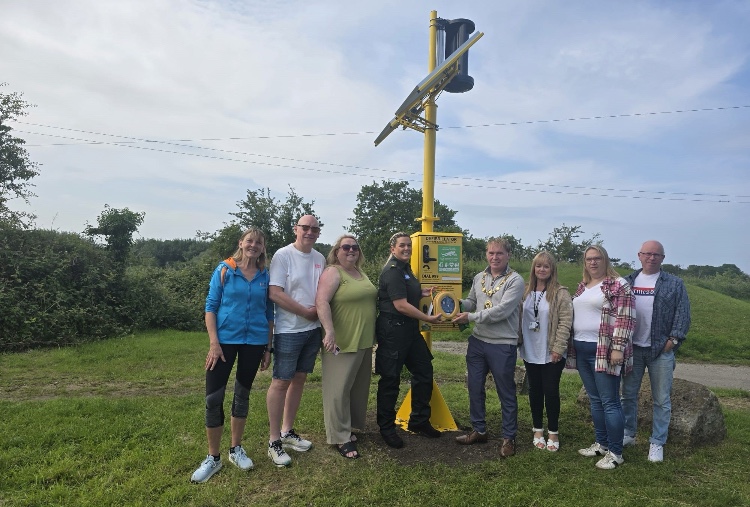
Councillor Michael Heaslip, Chair of the Council’s Environment Committee, said: “We are delighted to be installing West Cumbria’s first wind and solar powered defibrillator in Barepot, Workington.
“Often, when looking for suitable locations for defibrillators a power source can be problematic, so this is an excellent alternative, and we hope to install more of these life-saving machines in other green, open spaces within the town.
“We also hope that this sets a trend of these being installed further afield.”
The project demonstrates strong community collaboration, with Barepot residents contributing £300 through local fundraising efforts.
Cumberland Council has also supported the initiative by providing permission for the installation on their land at Barepot.
Megan Stephenson, NWAS Community Resuscitation Engagement Officer, said: “The installation of this innovative solar defibrillator cabinet in the area of Barepot, will provide 24/7 defibrillator access to an area that previously could not support an external defibrillator cabinet due to electrical supply issues.
“The proactive response and support from Workington town council has been overwhelming.
“Through my support and guidance and the partnership with defibrillator manufacturers a solution was found with this form of cabinet.
“Every minute that a person in cardiac arrest doesn’t receive effective CPR and the use of a defibrillator the chances of survival drastically reduce.
“This installation will aim to provide vital lifesaving equipment to help improve the survival rates of cardiac arrests locally.
“Thank You to everyone that has been involved, and I hope this installation will stand as the first of many in the Cumberland area.”
This installation represents a significant step forward in emergency medical provision for the area, combining sustainable energy solutions with critical healthcare infrastructure.
The solar and wind-powered cabinet ensures the defibrillator will be accessible to the public 24 hours a day, seven days a week, potentially saving lives in emergency situations.
The successful implementation of this project could serve as a model for other communities facing similar challenges in providing accessible emergency medical equipment in areas without traditional power sources.
 THE HERDWICK NEWS